
The
YOUNG LEADERS
Initiative
AN EXTRAORDINARY LEARNING EXPERIENCE.
BUILT TO RUN IN DIVERSE INSTITUTIONS.
PROJECT-LED. STUDENT-DRIVEN. EXPERIENTIAL.
DESIGNED WITH LOVE, BUILT TO SCALE.
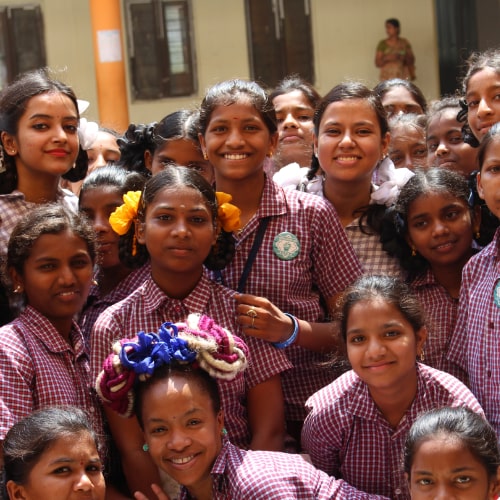
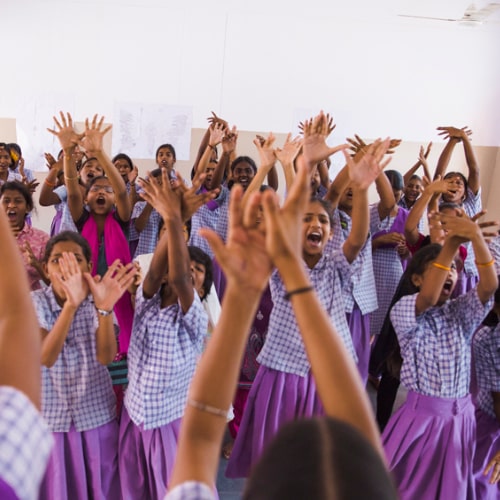
Young Leaders Camp is a 3–15 day program where students build world skills through team challenges, research, and presentations, grounded in problem statements from community and industry. Students return to school ready to lead clubs with teachers, so it becomes part of school life for the full year.

Happy Learning Framework
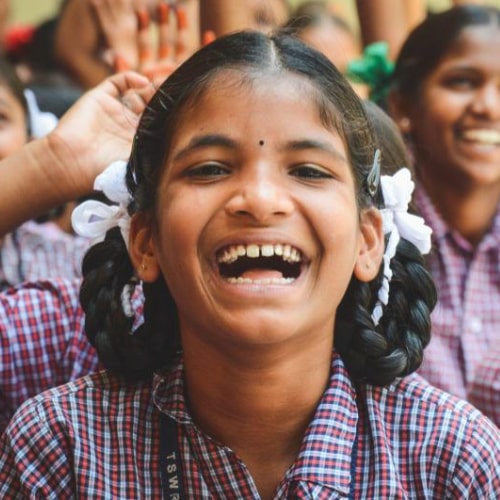
At the core is belonging. When students feel safe, seen, and included, participation becomes automatic. Then we build achievement through coached practice, feedback, and stage moments that make growth visible.

For Schools
We build foundations that compound: voice, curiosity, thinking, and agency. The format works in government and international classrooms because it flexes for language comfort and cohort mix, then moves teams through challenges, research, teamwork, live projects and presentations.

For Colleges
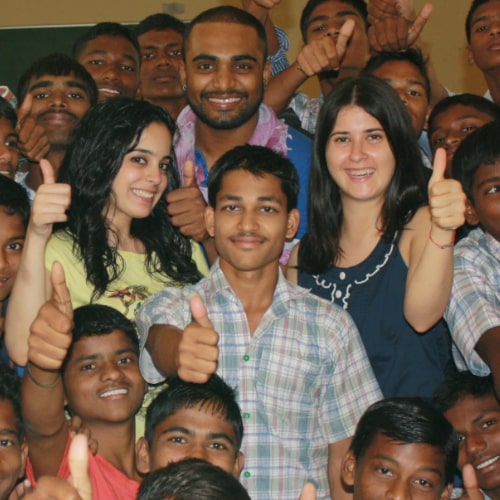
We tune the program for employability and entrepreneurship. Students work on real briefs, frame problems, collaborate, execute, and present, with mentor feedback throughout. It translates into interview-ready stories, stronger communication, employment-ready profiles and venture-ready thinking.

Bootcamp-to-Club
After camp, the program returns to school as clubs. Student leaders take responsibility, teachers get the kit and calendar, and the rhythm becomes part of school life. Tracks follow what the institution values, from performing arts to tech and skill domains, with milestones and showcases through the year.
Epic?
Student Workbooks
Student Portfolios
Gamified Learning
Learner Centric
Design Sprints
Mentorship
School Clubs
Progress Maps
Case Studies
Camp Rituals
Local Context
House System






We start with a needs assessment of your students, institution and calendar. We lock outcomes, problem statements and metrics.
Discover
And define
We customize modules, difficulty, and language support by age group and campus context. You get a clear program plan and delivery kit.
Design
and Tailor
We run a pilot on ground and learn from real behaviour in the room. We refine pacing, facilitation, and rubrics.
Pilot
and Refine
We convert what worked into a rollout-ready system. Local teams are trained, delivery is supported, and the program spreads across schools and networks.
Scale
and Sustain
The answers
to your questions.
Typical cohorts run 60–300 students on a campus, split into house teams for clean facilitation. Larger cohorts are delivered as parallel houses with additional facilitators.
- House design: 6–10 teams per house, based on venue and age.
- Delivery modes: single cohort, activity-based, parallel houses, multi-batch runs.
- Staffing: facilitator-to-student ratio set during needs assessment, usually 1:30.
The camp combines wellbeing, communication, and project tracks so students stay energised while building real capability. Topics shift by age group, and every track ends in team outputs and presentations.
- Wellbeing: Yoga, sports, mindfulness, martial arts, Zumba, nutrition awareness.
- Communication: Activity-based English as a foreign language, aligned to ACTFL standards / additional foreign languages.
- Project Tracks: agriculture, tourism, healthcare, fashion, art, astronomy, automobile, climate, and new technology advancements, plus community problem-solving.
Yes. The Young Leaders' Camps can be mapped to IB ATL and Learner Profile language, and to NEP-aligned competency goals for Indian school systems. The mapping is shared upfront in the program note.
- Outcomes defined by age group, student needs and institutional goals.
- A scoring guide that uses your framework language, ready for teachers and reviewers.
- Showcase judging criteria written to match the same indicators.
Program note, implementation plan, budget, roles and responsibilities, and a post-run summary for institutions or departments. MoU wording and procurement-ready documents are available on request.
- Pre-run pack: scope, calendar, staffing plan, venue and materials checklist.
- Delivery pack: run-sheets,learning materials, rubrics, house scoring sheets, showcase format.
- Post-run pack: reporting, certificates, leader shortlist, club follow-through plan, follow up schedule.


